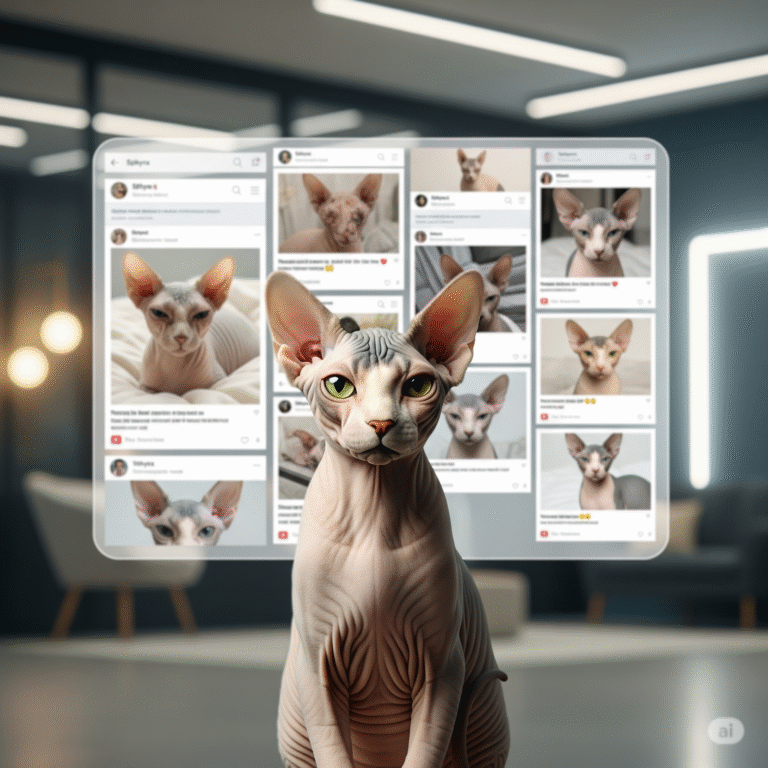
If you’re considering adopting a kitten from a reputable breeder, you may have questions about the process and why certain policies exist. From adoption timelines to pricing and application procedures, ethical breeding involves far more than simply raising kittens and finding homes.
Here’s a transparent look at why reputable breeders make the decisions they do—and how those choices protect the long-term well-being of both kittens and their future families.
Why Do Kittens Stay Until 12–16 Weeks?
You may notice that responsible breeders don’t let kittens leave at 8 weeks—and for good reason.
Early separation can cause long-term behavioral and health issues. By keeping kittens until at least 12 weeks of age, breeders ensure they have:
- Finished weaning and are confidently eating solid food
- Learned critical social and behavioral skills from their mother and littermates
- Completed their first rounds of vaccinations and wellness checks
- Developed stronger immune systems
- Reached the emotional maturity needed for a smooth transition to a new home
This wait isn’t an inconvenience—it’s a protective step that supports healthy development and long-term stability.
Why Spay or Neuter Before They Go?
Many reputable breeders include early spay/neuter (ESN)—usually between 10 and 16 weeks—as a standard part of their adoption process. This serves several key purposes:
- Prevents accidental litters and helps reduce overpopulation
- Deters unethical resale or backyard breeding
- Supports long-term health, especially in males (reduced risk of spraying, testicular cancer, etc.)
- Eases the transition for families who might otherwise delay or forget this essential step
Early Desexing Is Safer Than You Might Think
Studies have shown that kittens experience fewer surgical complications and faster recovery when desexed at a younger age, especially when performed by experienced veterinarians under proper protocols. Recovery is typically quick—most kittens are active and playful within 24–48 hours.
Even more importantly, completing this procedure before adoption protects new families from the risk of a devastating complication. If a fatal reaction or rare surgical issue were to occur, it would happen under the care of the breeder and their trusted veterinary team—not in your home.
👉 For more details, see our dedicated post: Why We Spay and Neuter Kittens Early.
Why Reputable Breeders Must Charge What They Charge
It’s common to experience sticker shock when researching purebred kittens—but when you understand what’s involved in ethical breeding, the price makes sense.
A kitten from a responsible breeder reflects a tremendous investment of time, care, and resources, including:
- Veterinary care: vaccinations, deworming, microchips, health checks, and early spay/neuter
- High-quality nutrition and supplements for both kittens and queens
- Extensive socialization and enrichment from birth through adoption
- Registration and pedigree documentation with recognized associations
- Ongoing support for adopters throughout the kitten’s life
- Genetic screening and disease prevention protocols
Health Testing Isn’t Optional—It’s Essential
One of the biggest hidden costs is health testing. Responsible breeders test their breeding cats for hereditary diseases such as HCM (hypertrophic cardiomyopathy), PKD (polycystic kidney disease), and others.
This includes annual echocardiograms performed by board-certified veterinary cardiologists—a costly but critical step in reducing the risk of genetic heart disease.
Most ethical breeders are not turning large profits. Many simply aim to break even while preserving the health and integrity of the breed.
Why Health Testing and Registration Matter
Registered cats with health-tested lineages offer peace of mind to adopters.
Health testing ensures that breeding cats are free from inherited diseases and are physically sound for reproduction. This drastically reduces the risk of passing on costly—and often devastating—conditions to kittens.
Registration with organizations like CFA or TICA also:
- Confirms your kitten’s pedigree and genetic background
- Promotes breed preservation and ethical practices
- Holds breeders accountable to high standards of care and ethics
These aren’t just papers or extras—they’re your assurance that your kitten has been bred with integrity and foresight.
Why Is There an Application Process?
Reputable breeders don’t offer kittens with a “Buy Now” button—and for good reason.
Applications and phone calls aren’t meant to discourage potential adopters; they’re designed to:
- Help breeders understand your home, lifestyle, and expectations
- Ensure the breed is a good match for you and your family
- Educate new owners on the specific needs of their future kitten
- Create lasting relationships between breeders and adopters
For example, Sphynx cats have unique needs compared to other breeds—such as regular bathing, temperature sensitivity, and a high demand for companionship. Not every home is equipped to meet those needs, and that’s okay.
The goal is to make sure every kitten ends up in a home where they will thrive.
Applications, conversations, and waitlists are not roadblocks—they’re signs of a breeder who truly cares where their kittens go.
Final Thoughts
Behind every confident, healthy kitten is a breeder who made dozens of careful choices—each rooted in love for the breed and responsibility to the future pet parent.
From thoughtful timelines and early desexing to health testing and adopter screening, ethical breeding isn’t about profit—it’s about purpose. Responsible breeders prioritize the health, safety, and lifelong success of every kitten they bring into the world.
If you’re ever unsure about a breeder’s process, just ask. Transparency and education are always part of the package when you’re working with someone who truly cares.